

What Features Make Jute Bags Durable for Daily Shopping Needs?
Jute bags are durable for daily shopping because they are made from strong natural plant fibers that can handle regular use and carry heavier items than many single-use plastic bags. Their tightly woven fabric resists tearing, while reinforced stitching and sturdy handles help them hold weight without breaking. The durability of a jute bag comes from a combination of strong materials and thoughtful design. Here are the key features that make it reliable for everyday shopping:
The Tensile Strength of Jute Fibre
Jute fibre has high tensile strength, meaning it can withstand heavy pulling force without tearing or stretching easily. Because jute is a bast fibre taken from the plant's stem, it is naturally designed to support weight and resist physical stress. This makes it much stronger than softer natural fibres like cotton.
For shopping bags, this strength translates into better performance. A well-made jute bag with reinforced stitching and a sturdy base can comfortably carry 10–15 kg of groceries, while maintaining its shape and resisting tears. Its ability to handle repeated loads, friction, and everyday wear makes jute an excellent material for durable, reusable shopping bags.
Weave Density and Long-Term Wear

Weave density is one of the most important factors that determines how long a jute bag will last. A tightly woven jute bag distributes weight evenly across the fabric, helping it resist stretching, sagging, and tearing during regular use. In contrast, a loosely woven bag is more likely to lose its shape and develop weak spots over time.
Here are the signs of a high-quality weave:
-
Small, even gaps between fibres for consistent strength and better load distribution.
-
Firm side panels that resist pressure and hold their shape.
-
A structured base that returns to its original shape after being pressed.
-
Tightly woven corners, as these areas experience the most stress when carrying heavy items.
Choosing a jute bag with a dense, uniform weave improves its durability, helping it withstand daily shopping, repeated use, and heavier loads without wearing out quickly.
Handle Construction and Attachment
The durability of a jute bag largely depends on how its handles are constructed and attached. High-quality jute bags use reinforced stitching, such as box or cross stitching, to distribute the weight evenly and reduce stress on the attachment points. Many also feature twisted or braided jute rope handles, which provide a stronger, more comfortable grip than flat fabric handles. Some premium handcrafted jute bags go a step further by using woven-in handles, where the handle is made as part of the bag itself instead of being stitched on. This seamless construction eliminates weak attachment points, allowing the bag to carry heavier shopping loads and withstand repeated daily use without the handles loosening or tearing.
Handweaving Produces a Stronger Bag
A machine loom produces a consistent weave. Every thread crosses at the same angle, with the same tension, in the same sequence, across the entire surface. That consistency is efficient. It is also a structural weakness because consistent weave patterns fail along consistent lines. When stress is applied to a uniformly woven fabric, it finds and follows those lines.
Handweaving introduces controlled variation. The weaver adjusts tension by feel, responds to the specific behaviour of each section of fibre, and produces a fabric where the thread intersections don't all align in predictable failure paths. This is not a romantic claim about craft it's a mechanical property of interlocked structures with irregular geometries. They distribute stress less predictably, which means they distribute it more effectively.
Artisan producers working with traditional Balinese or Indian weaving techniques have refined this over generations. The weavers are not following a pattern mechanically. They are reading the fabric as it forms and correcting inconsistencies loose sections, uneven tension, gaps that a machine would replicate across the entire run as they work. The bag that comes out the other end has been checked at every stage of its construction by the person who made it.
Strong Bottom Support

The base of a shopping bag has the hardest job. It carries the full weight of the load. It sits on floors, pavements, car boot surfaces, and supermarket trolley rails. It gets wet when the bag is left on damp ground. It abrades slowly with every placement and pickup. A jute bag with no base reinforcement will hold up for a while on fibre strength alone, but it will soften and distort at the base before the rest of the bag shows any wear at all.
Reinforcement changes that equation significantly:
-
A double layer of jute stitched across the interior base doubles the material thickness at the point that takes the most punishment.
-
A rigid internal board or card insert keeps the base flat under load and prevents weight from concentrating at the corners where the base meets the side panels.
-
A heavier weave panel sewn into the base provides more resistance to abrasion from below than the standard side panel weave.
-
Leather or rattan base panels on premium handwoven pieces add weather resistance and structural rigidity that fabric alone doesn't provide.
Any one of these extends the working life of the base significantly. Without any of them, a bag in daily use for grocery shopping will show base degradation within a few months regardless of how well the rest of the construction holds up.
How Jute Compares to Synthetic Bags
Synthetic reusable bags fail in a way that's hard to ignore. The surface pills. Fold lines develop into cracks. The fabric tears along a stress line and the tear propagates. Once a synthetic bag starts failing it rarely stops, because the failure mode is structural rather than superficial.
Jute wears differently. Surface abrasion affects the outer threads first, but the underlying structure the interlocked weave, the load-bearing fibre continues to function. The bag looks used. The handles may darken with handling. The weave may show slight surface wear where the bag has repeatedly contacted hard surfaces. None of that is structural failure. It's patina. The bag is still doing its job.
This distinction matters practically for anyone using a bag daily. A material that ages visibly but structurally is a better daily companion than one that holds its appearance until the day it suddenly doesn't.
Moisture, Maintenance, and What Actually Affects Longevity
Jute absorbs moisture, and if the bag is stored damp and compressed for an extended period, mildew can develop. That's the main maintenance consideration, and it's straightforward to manage. A wet jute bag needs to be dried flat or hung in a ventilated space before storage. That's the full requirement.
What this doesn't mean is that jute bags are fragile in wet conditions. Getting caught in rain, carrying damp produce, being briefly exposed to spills none of these causes structural damage as long as the bag is dried out properly afterwards. The fibre doesn't permanently weaken from a single moisture exposure, the way some materials do. Rain followed by proper drying leaves the bag unchanged. Rain followed by two weeks folded in the bottom of a damp shopping bag creates a problem. The distinction is storage, not exposure.
Beyond moisture, maintenance is minimal:
-
A light brush removes surface dust and debris from the weave without damaging the fibres.
-
Spot cleaning with a damp cloth handles most spills.
-
Avoiding prolonged storage in direct sunlight prevents gradual colour fading relevant if the natural tan of the jute matters to you aesthetically.
Versatility That Justifies the Daily Commitment
A bag you only use for one thing gets left at home half the time. A bag that works reliably across different daily contexts becomes a habit, and a bag that's used regularly stays in better structural condition than one stored folded in a drawer. Jute fibres remain supple with handling. Long periods of compressed storage cause fold lines that weaken the fibre at those points over time.
Daily contexts where jute performs without compromise:
-
Weekend grocery and farmers market runs where the load weight varies from a few items to a full haul.
-
Beach trips where the open weave lets sand fall through rather than collecting in the base seams the way it does in solid-bottomed synthetic bags.
-
Everyday carry for books, gym kit, and daily essentials, where a structured bag with proper handles is more practical than a drawstring or a backpack.
-
Gift and market shopping, where the natural texture of a handwoven bag fits the environment in a way a synthetic tote simply doesn't.
Conclusion
A jute bag that holds up for years isn't the result of the material alone. It's the result of the right fibre woven at the right density, with handles built to take real load, a base reinforced against the surface contact it will face daily, and construction methods, particularly handweaving, that produce structural complexity a machine can't replicate. Every one of those decisions is made before the bag reaches the buyer, which is why it matters to understand them before buying rather than after.
Boho Eclectica carries handwoven rattan and jute tote bags built using traditional weaving methods, with integrated handles and reinforced construction designed for daily use that holds up across years rather than seasons. Browse the full collection at boho-eclectica.com.au.
Read more
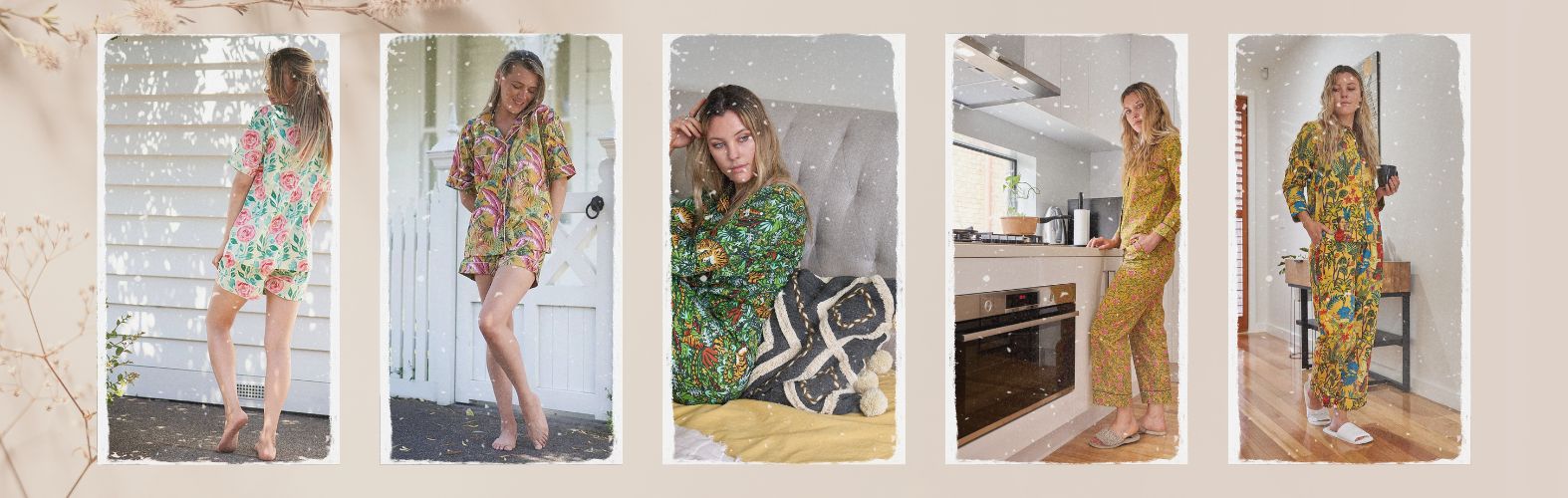
Top Features to Look for in PJ Sets Before You Buy
Most people pick pajamas based on how they look. A print they like, a color that appeals, maybe a set that is on sale. The features that actually determine whether the pajamas are comfortable to sl...
Read more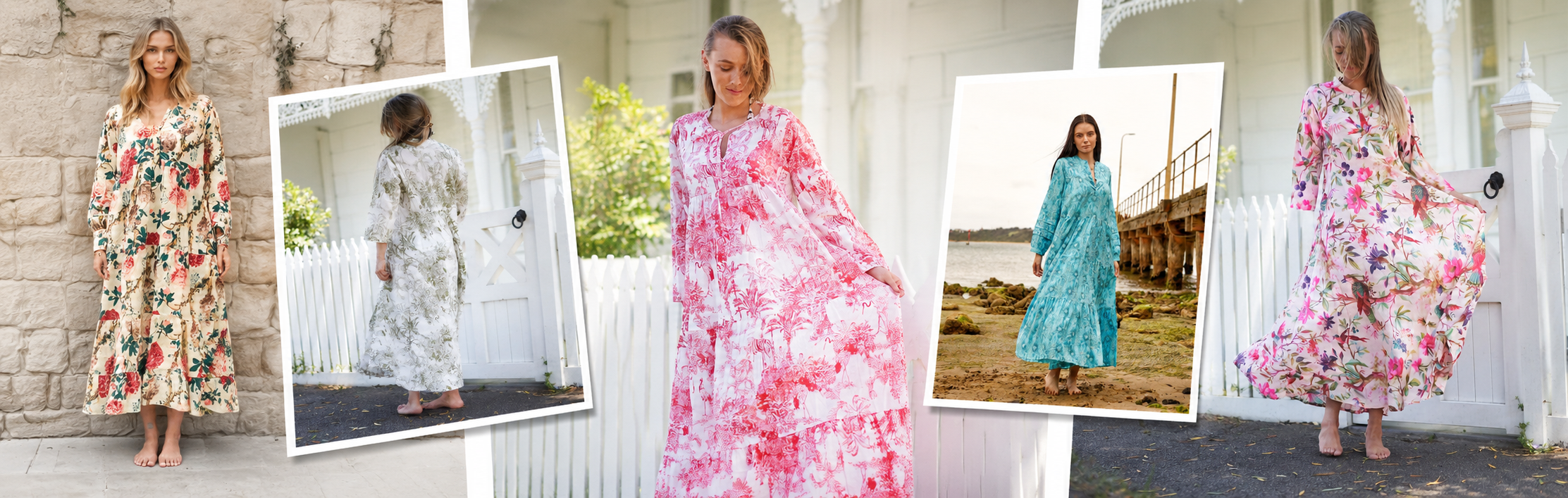
10 Ways to Style Cotton Dresses For Women Without Looking Overdressed
Getting dressed shouldn't be a whole project. Most days, you just want to look nice without fussing for twenty minutes.Cotton Dresses For Women solve that problem nicely. They're soft. They breathe...
Read more